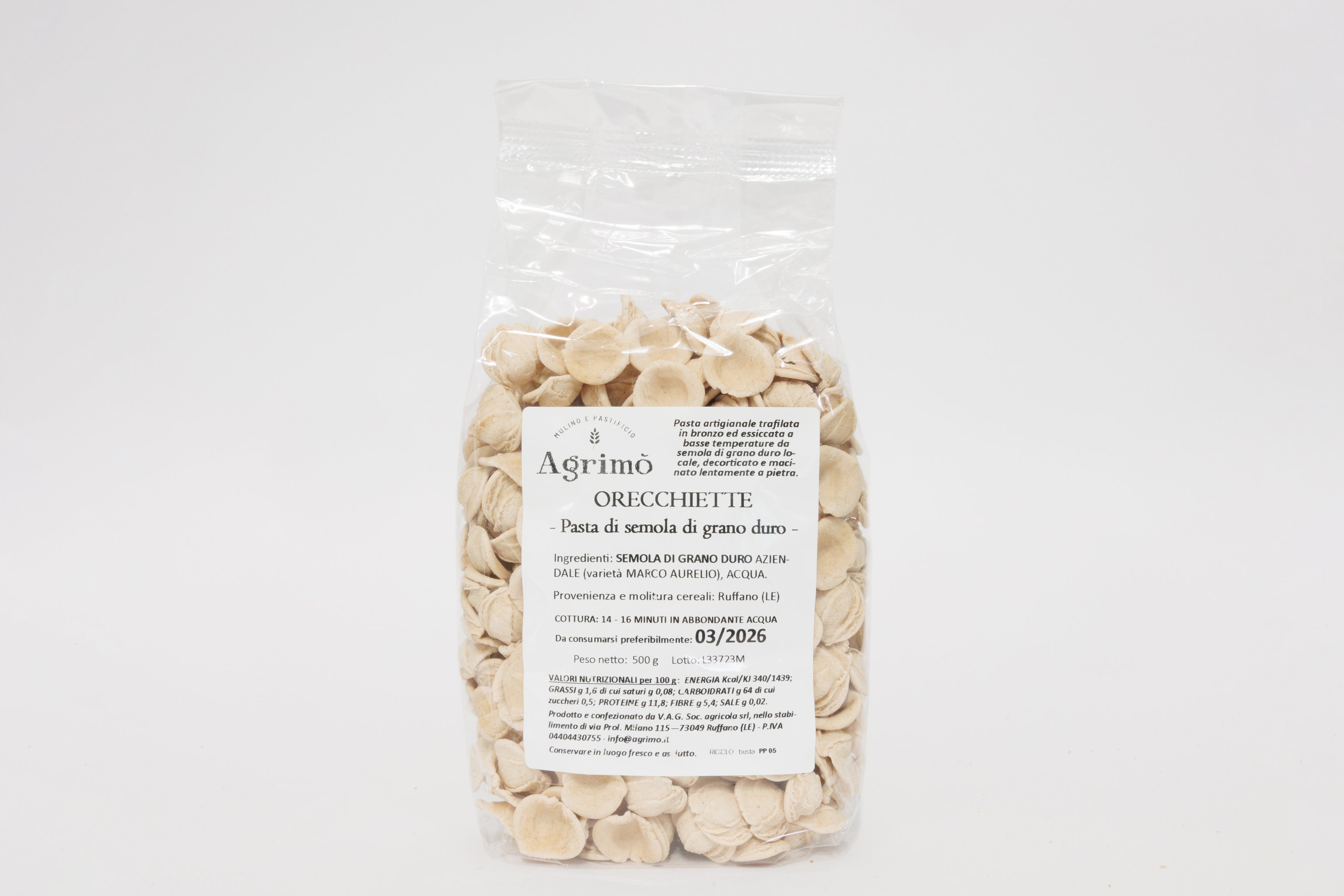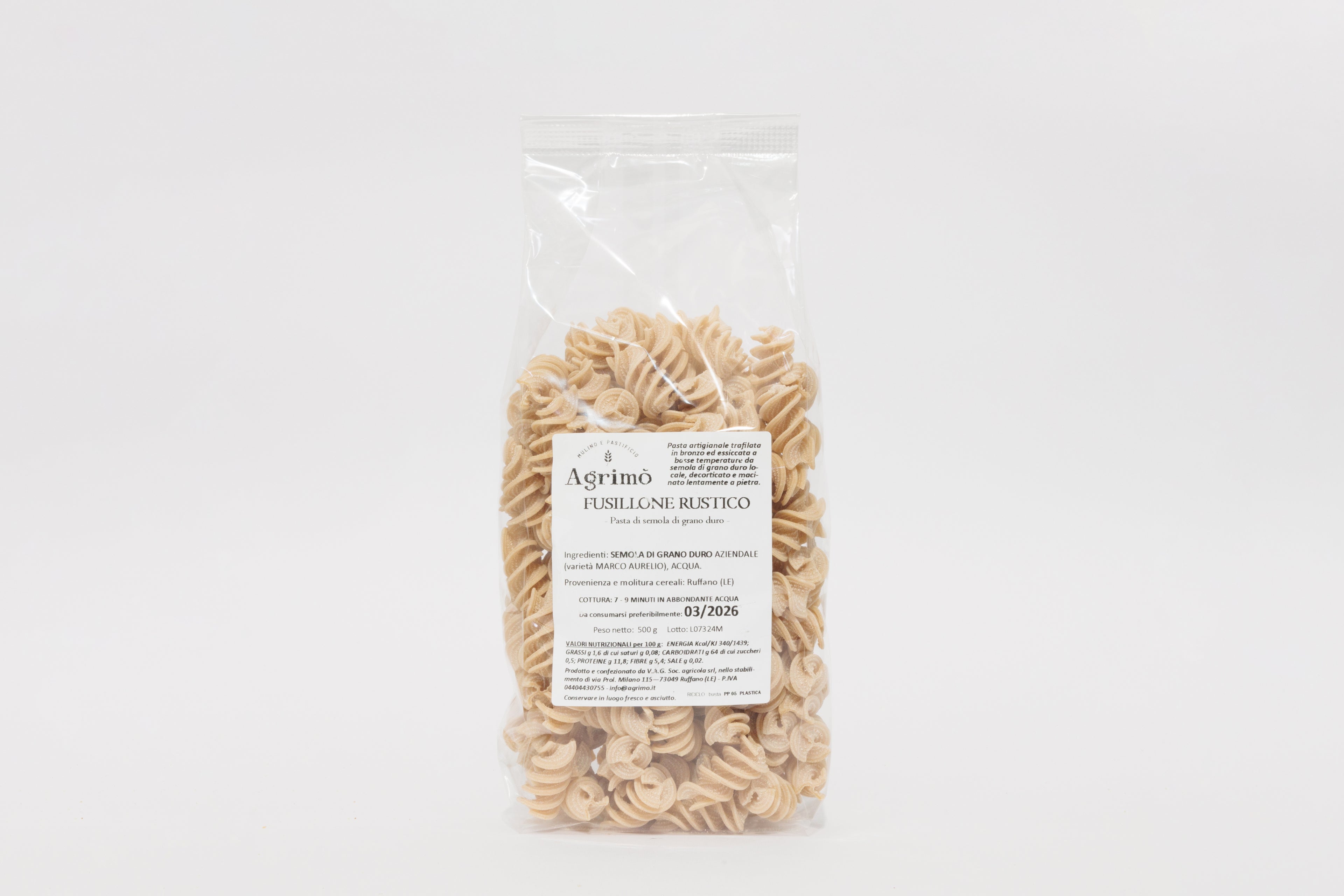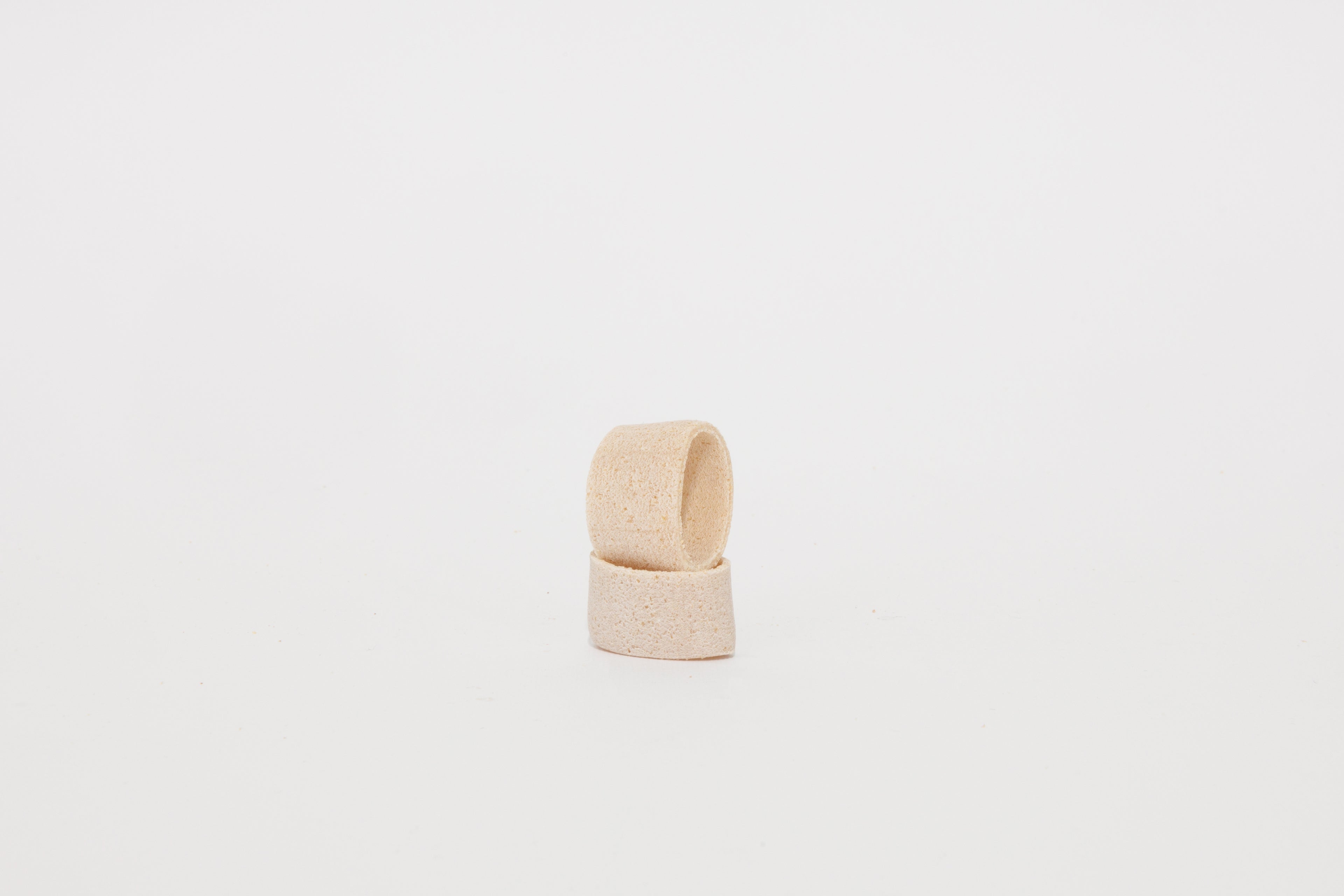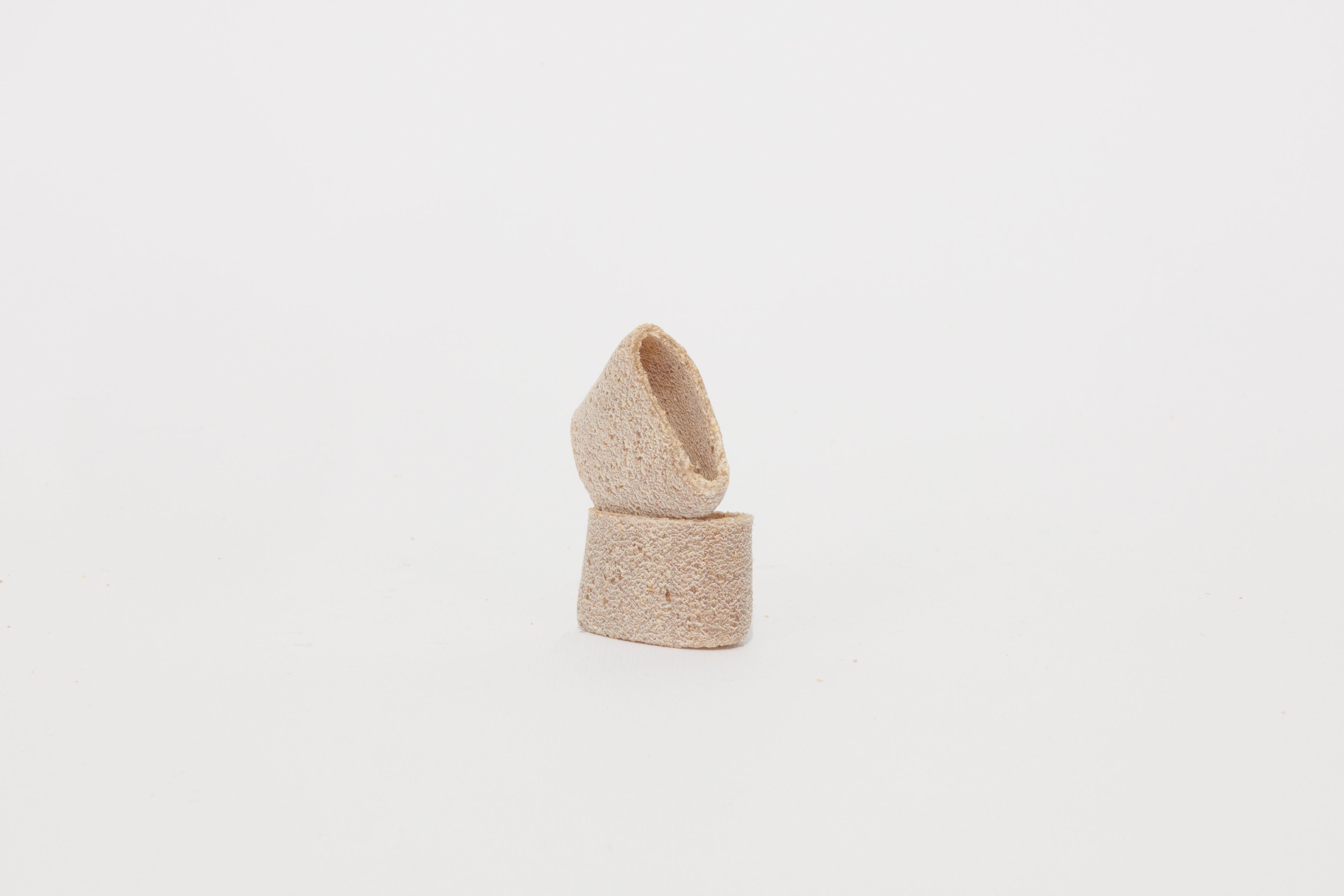

Some words have no scent.
“Furosine” is one of them.
Yet it reveals everything about how pasta is made — and how much it’s respected.
We know this word well, even though it has no place in our pasta. And perhaps that’s the whole point: good pasta isn’t born from heat — it’s born from patience.

What furosine really means
Furosine is what happens when flour and water are pushed too far. When heat rises too high, the proteins and natural sugars in the grain lose their vitality — as if the life inside each kernel were scorched by haste.
It usually appears during fast, high-temperature drying, when speed becomes more important than care. The result is a pasta that looks perfect on the outside but has lost its soul: less digestible, stiffer, poorer in nutrients.
Technically, furosine is a by-product of the Maillard reaction — the same chemical dance that gives bread its golden crust. But when that dance turns frantic, the heat destroys lysine, an essential amino acid that keeps food nourishing and alive.
Pasta dried too quickly, above 70–90°C, loses up to 30% of its lysine. It digests worse, tastes duller, and feels tired.
Furosine isn’t poison — it’s simply a sign of stress. It tells you that the pasta was forced to grow up too fast.
Why Agrimò pasta doesn’t create furosine
In our mill, there is no rush. The flour never meets the heat of impatience.
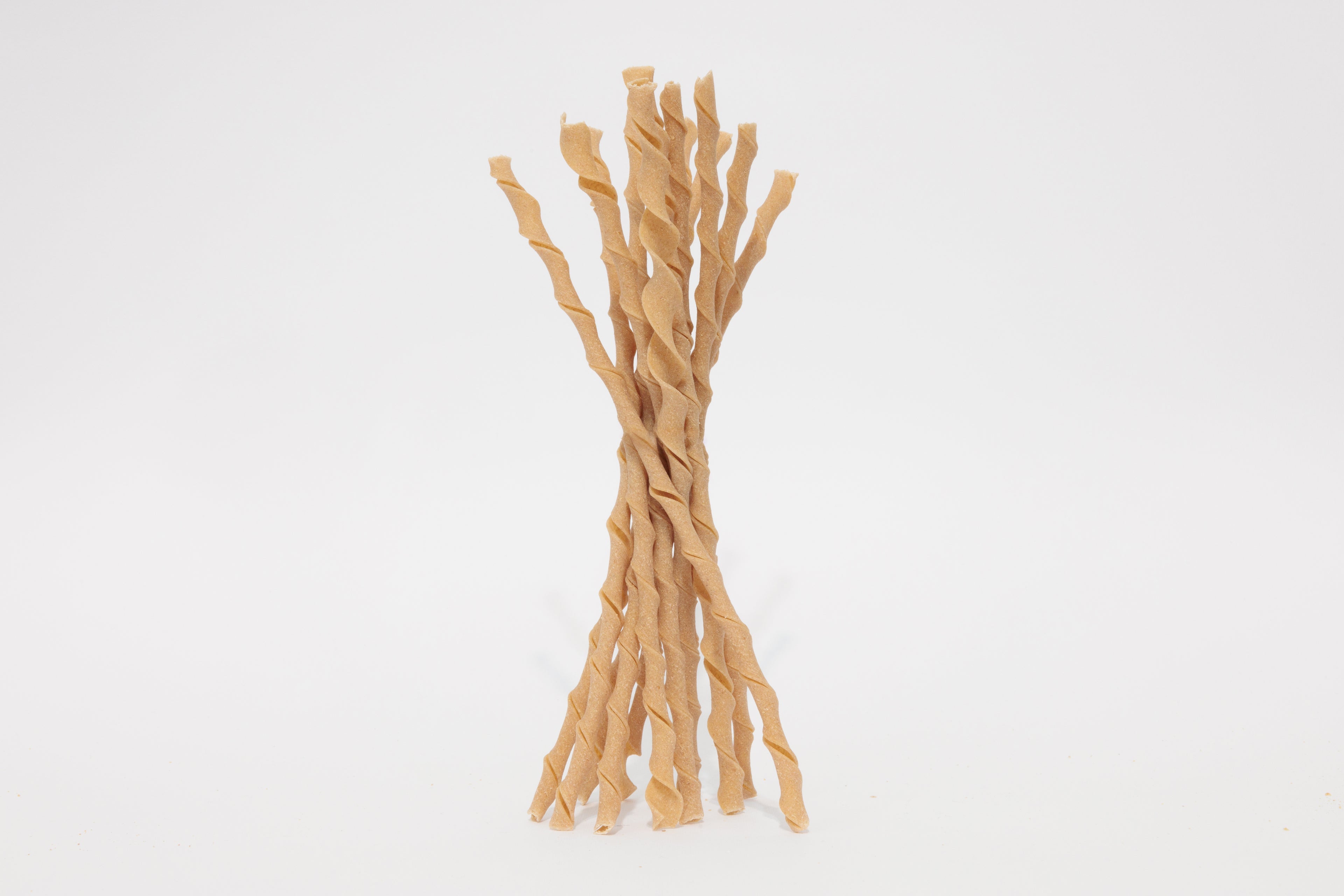
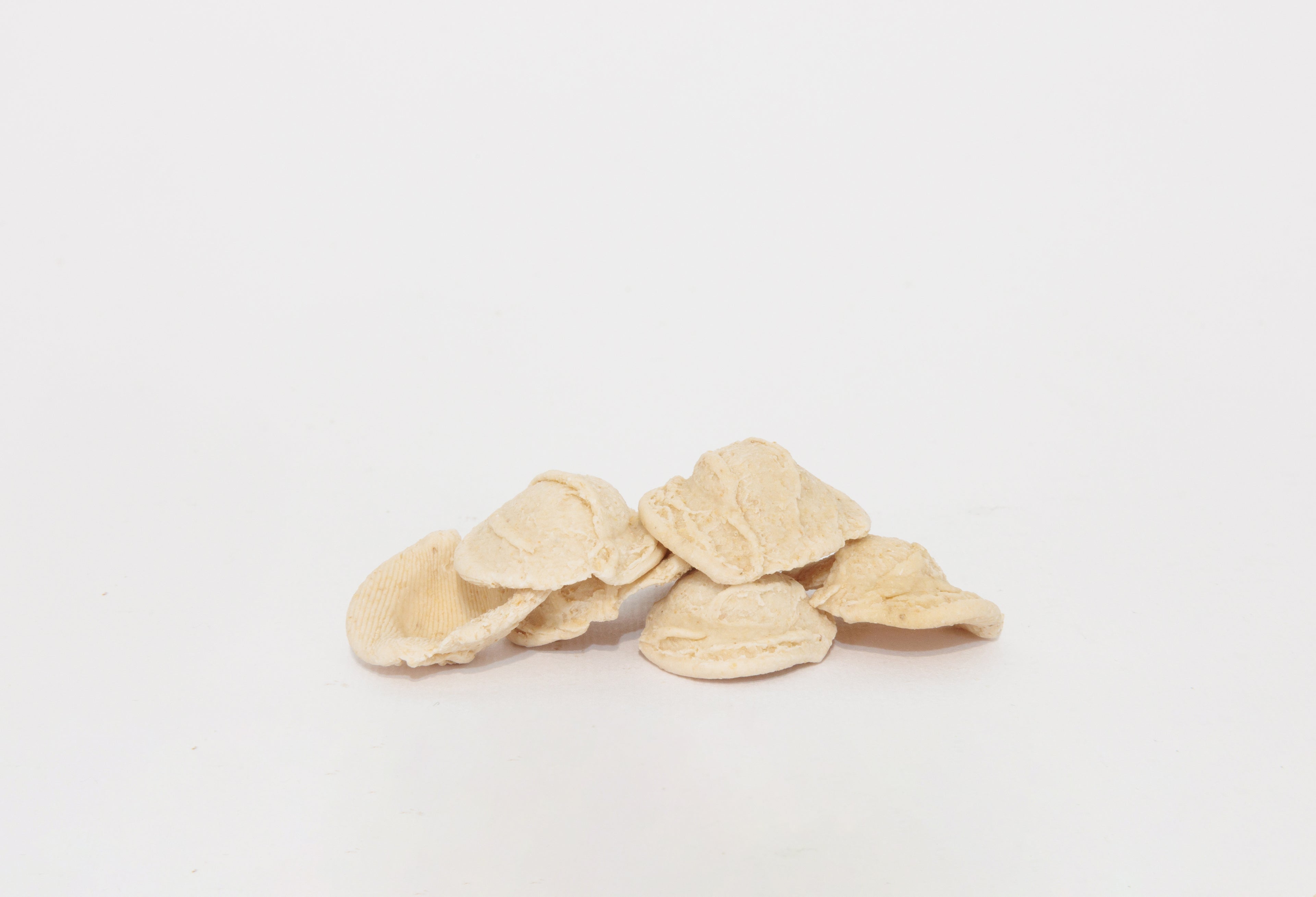
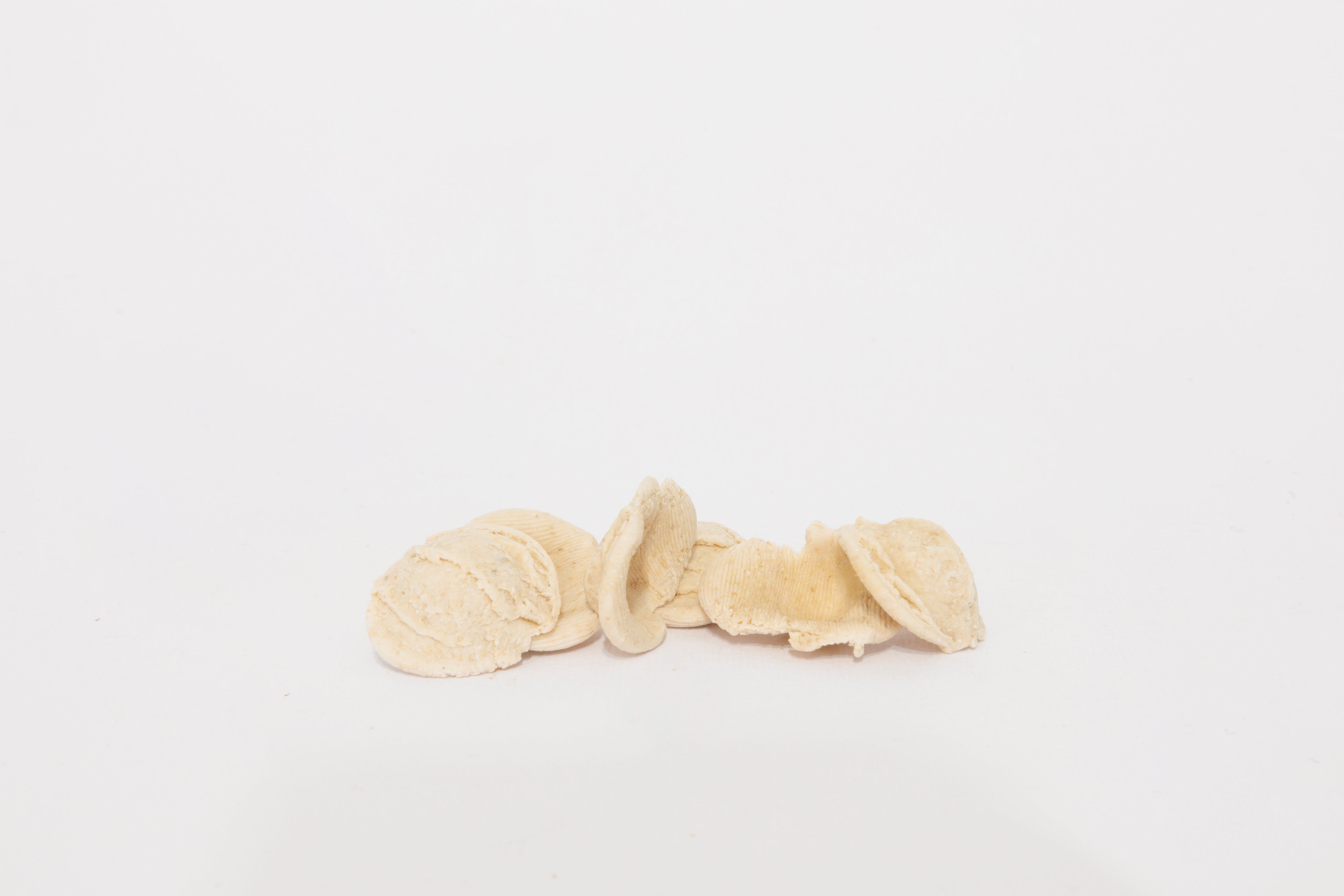
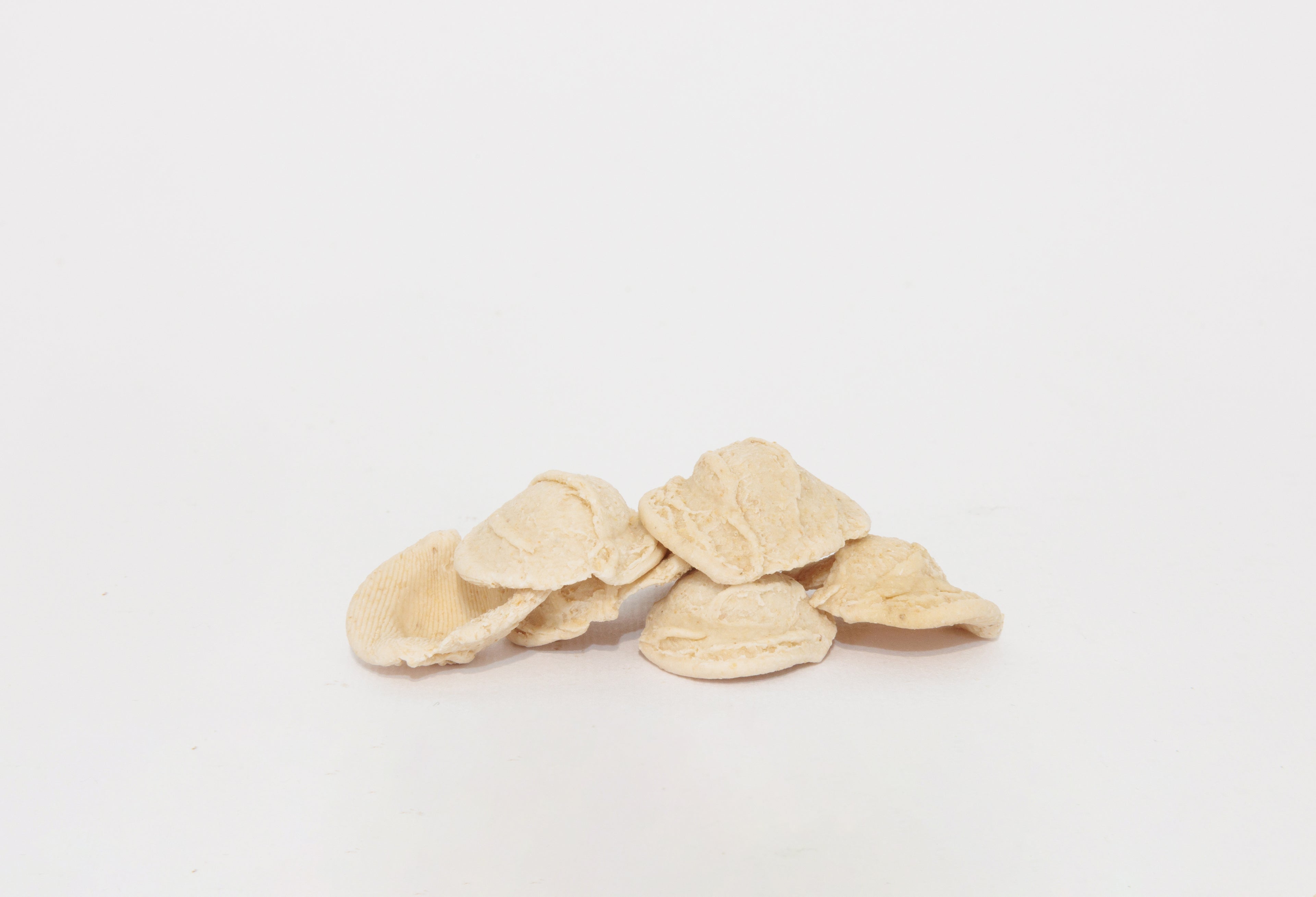
Our grains are stone-milled slowly, never above 36°C (97°F). The dough rests. The pasta dries for up to 46 hours below 40°C (104°F), breathing, evolving, holding on to the life of the grain.
That patience makes all the difference. Without excessive heat, furosine never forms. The lysine remains intact, the nutrients stay whole — and the grain keeps its story.
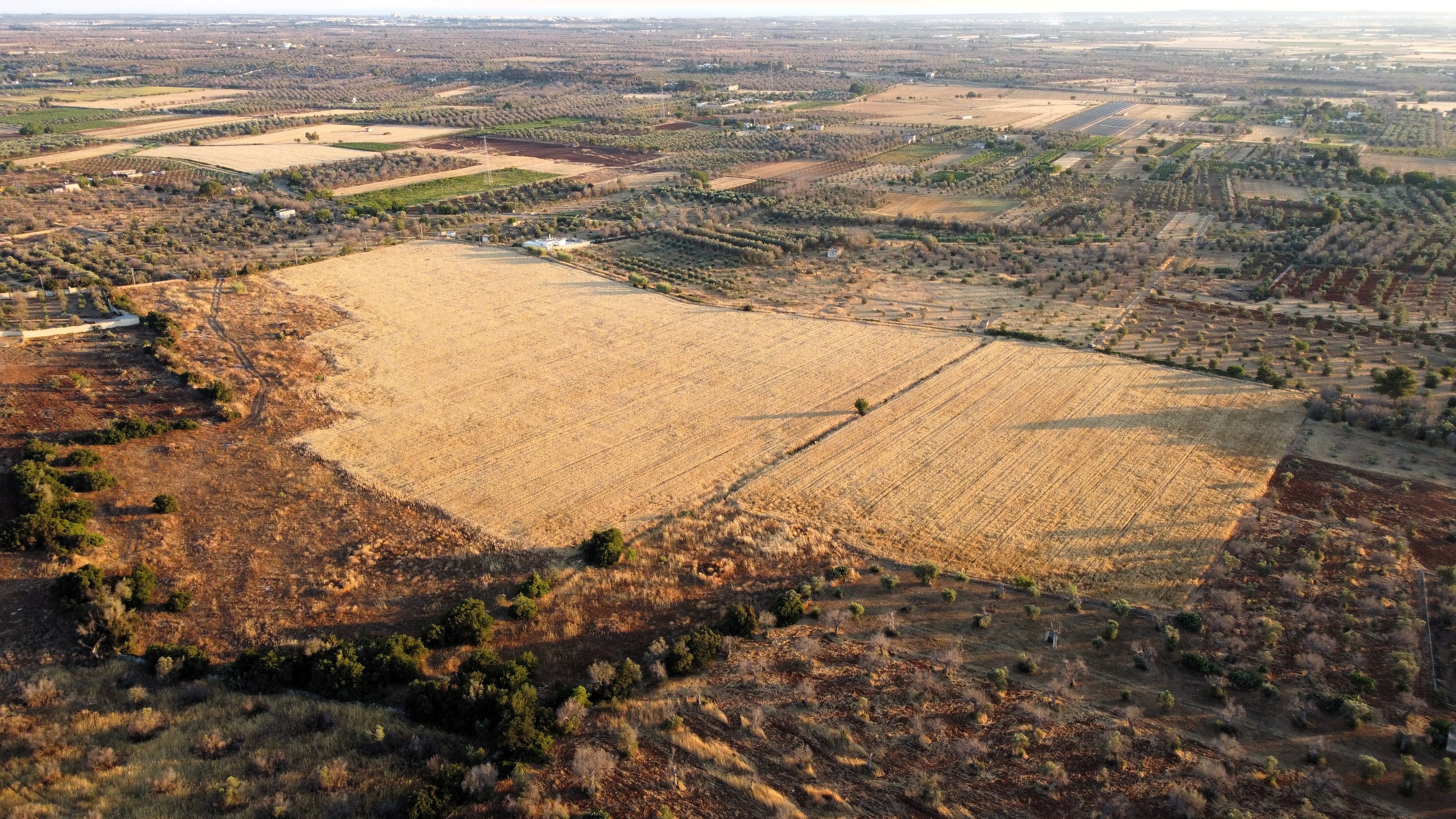
When you open a bag of Agrimò pasta, you can smell it: the scent of wheat fields under the Salento sun. Not flour cooked by machines, but grain that still remembers the wind.
Proven by science, guided by nature
We could stop at the poetry — but the science agrees. Certified analyses from BonassisaLab confirm that Agrimò pasta is pure and clean:
-
No trace of mycotoxins or contaminants (<0.50 µg/kg)
-
No chemical residues detected in over 300 tests
-
12% protein, up to 7% natural fiber, less than 2% fat
A living food, rich and balanced — giving back to your body what the earth gave to the grain.
The beauty of slow
Furosine is the mark of pasta that ran too fast. We prefer to walk with time, not against it.
Because real quality doesn’t come from acceleration — it comes from careful slowness. Every gesture — soaking the grain, turning the mill, drying the pasta — is designed to protect the raw material from stress. In our mill, the stones turn quietly. In the drying room, the air is warm like a summer afternoon, never burning, always breathing.
And when that scent of grain fills the air, we’re reminded that slowness isn’t a flaw. It’s a form of love.
Side by side
| Aspect | Industrial Pasta | Agrimò Pasta |
|---|---|---|
| Drying temperature | 80–110°C | ≤ 40°C |
| Drying time | 4–6 hours | 20–46 hours |
| Furosine presence | High | None |
| Nutritional value | Degraded | Preserved |
| Production method | Fast, industrial | Slow, artisanal |
| Chemical residues | Possible | Not detected |
The BonassisaLab test reports from 2023 certify what our hands already knew: a pasta untouched by contamination, faithful to its natural protein profile, and alive in every sense.
Proof that science and craftsmanship can speak the same language.
In the end
Furosine reminds us of a simple truth: heat can give flavor — but it can also take away life.
At Agrimò, making pasta is not production. It’s respect — for time, for matter, for the earth. That’s why our pasta doesn’t develop furosine. Because it’s made of patience, not pressure.
Agrimò – Tradition ground in stone.
Quality born from time and respect.